Call Us: (800) 762-0436
Members Can Expect to See an Increase on Their August Bill

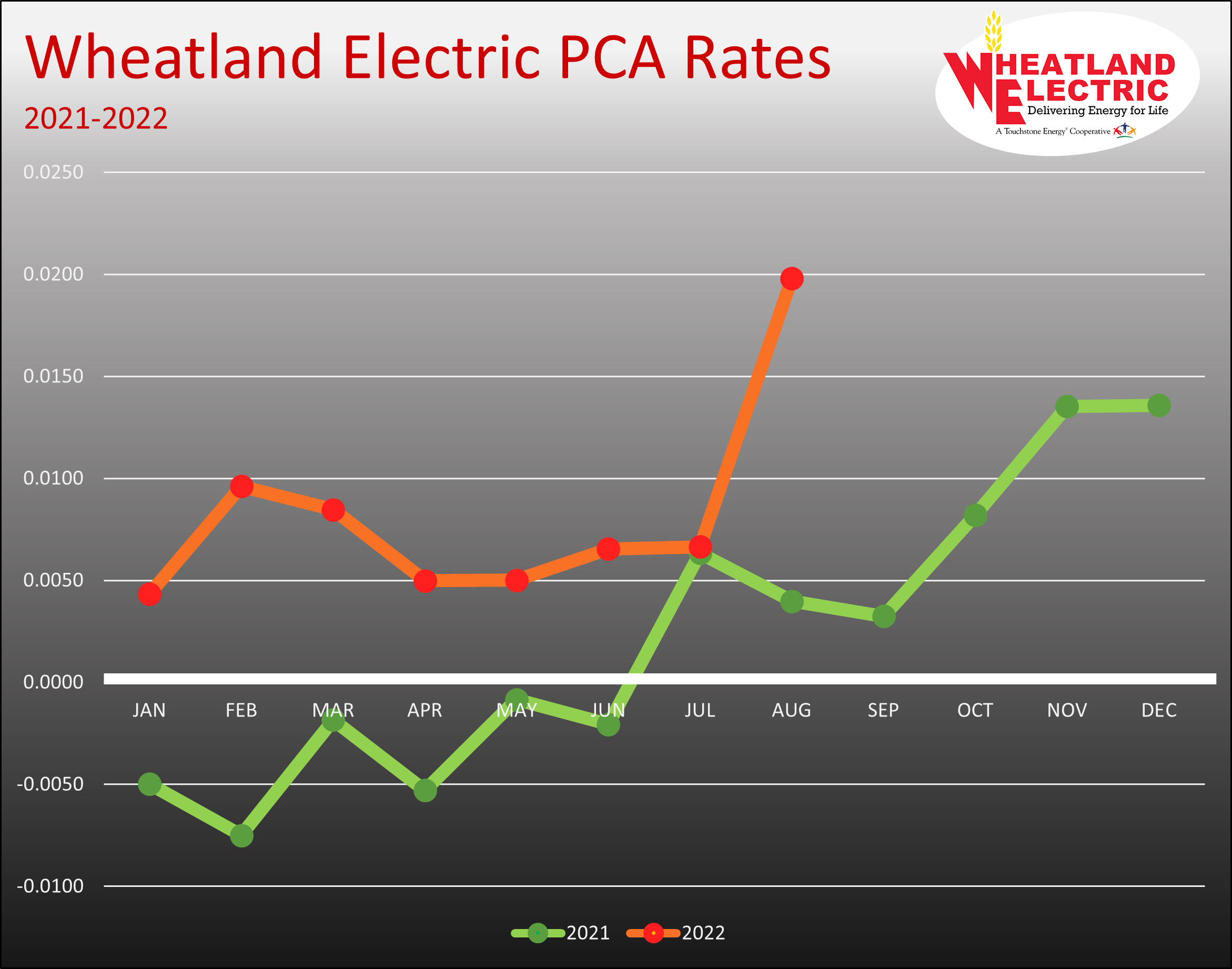
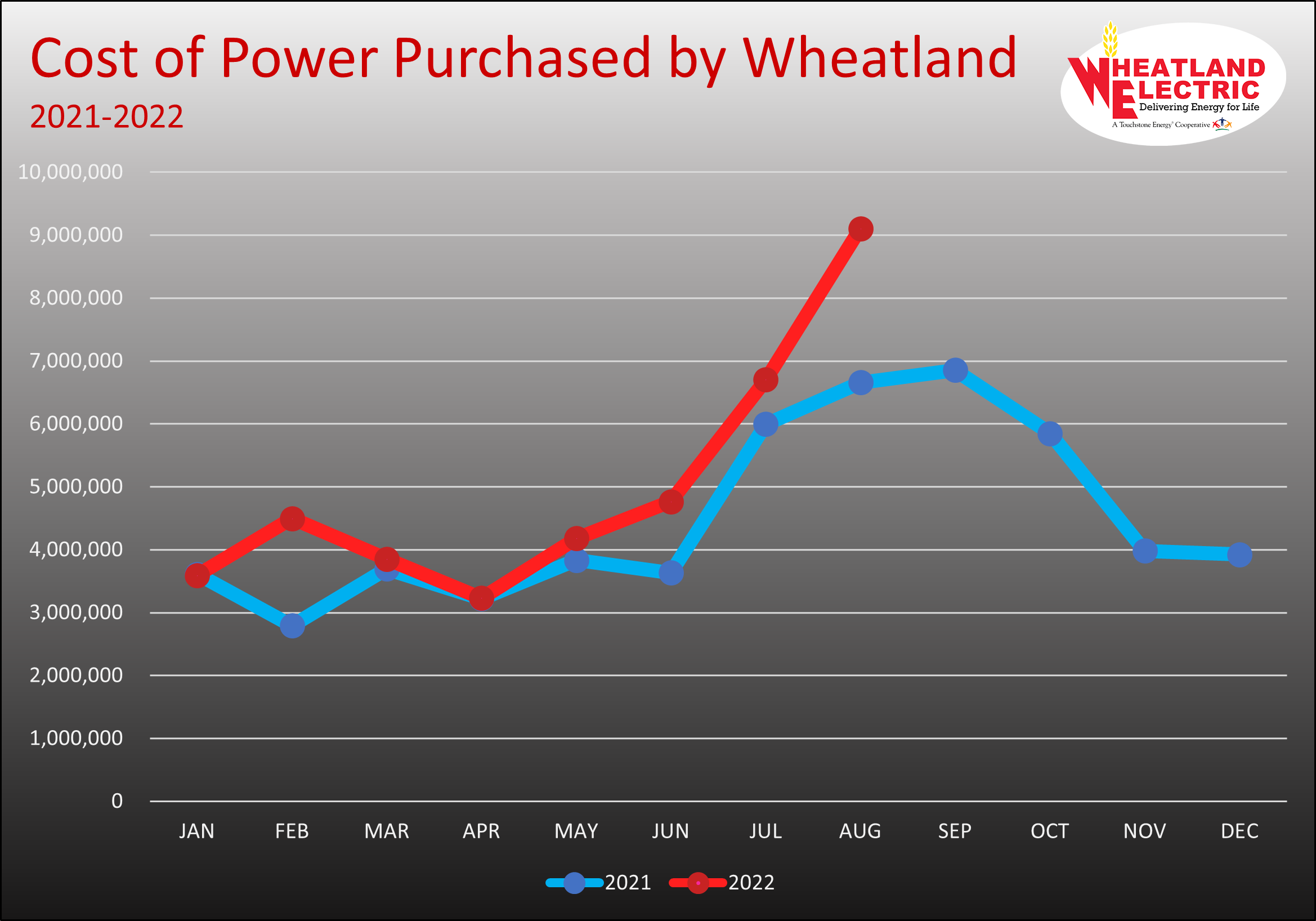
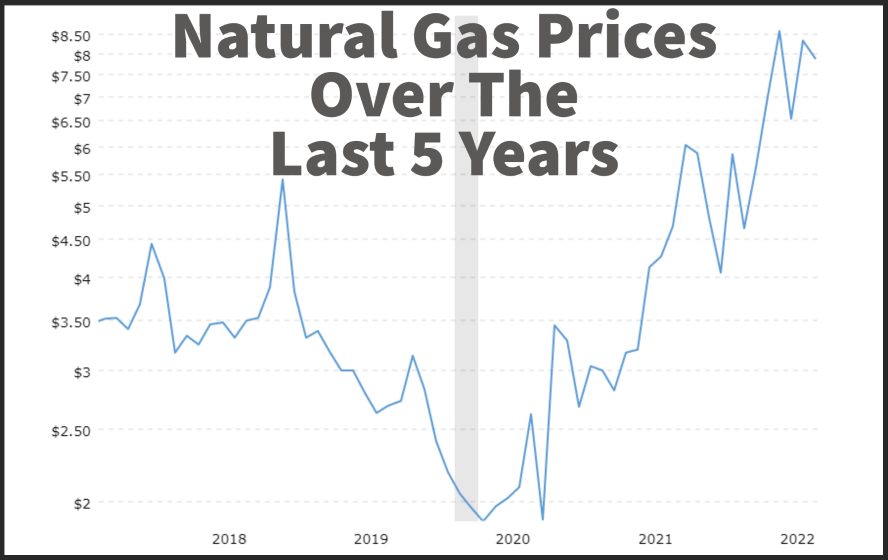
Wheatland Electric Cooperative, Inc. members will be receiving their August bill (July usage) in the coming days. Wheatland members can expect to see increases in their bill due to extremely high natural gas prices and the consistent above average temperatures resulting in increased energy use. Members’ energy usage and costs will be higher than average. THIS WILL AFFECT THE POWER COST ADJUSTMENT (PCA) portion of your bill.
What exactly does this mean on my electric bill?
There are 3 main components to your electric bill: Service Availability Charge, Energy Charge and Power Cost Adjustment (PCA).
The Service Availability Charge is a fixed monthly charge designed to recover the costs of providing equipment, materials, labor, and business overhead necessary to serve each meter, regardless of the amount of electricity (kWh) consumed. These fixed costs are the same for a member using 10 kWh or 5,000 kWh. This rate is not changing.
The Energy Charge (PRICE PER KILOWATT-HOUR), which is the unit of measurement for electricity, and how much electricity you use. The price for electricity is set in Wheatland’s tariffs, but the amount of electricity that you use varies with each monthly bill. This rate has not changed. Wheatland members have not seen an increase to the PRICE PER KILOWATT-HOUR since 2016.
The POWER COST ADJUSTMENT (PCA) is a rate mechanism electric utilities use to recover fluctuating purchased wholesale power costs. The PCA FLUCTUATES MONTHLY and serves as a pass-through charge (or credit) related to the cost of producing electricity.
The PCA is increasing as a result of higher fuel prices, which is making the power the co-op purchases from its wholesale power provider, Sunflower Electric Power Corporation, more expensive. The wholesale power bill makes up the majority of a member’s total bill.
Click here for additional details about your bill.
For more energy saving tips please visit https://www.energy.gov/energysaver/spring-and-summer-energy-saving-tips
Here are a few things to consider about energy usage in extreme temperatures:
- The more difference between the outside temperature and the thermostat setting inside, the harder your cooling/heating system works and the more energy it will use, even if the thermostat stays the same temperature.
- The impact of increased energy use on electric bills can be substantial as temperatures rise to historic highs/lows.