Call Us: (800) 762-0436

Protecting the Power Behind the Scenes
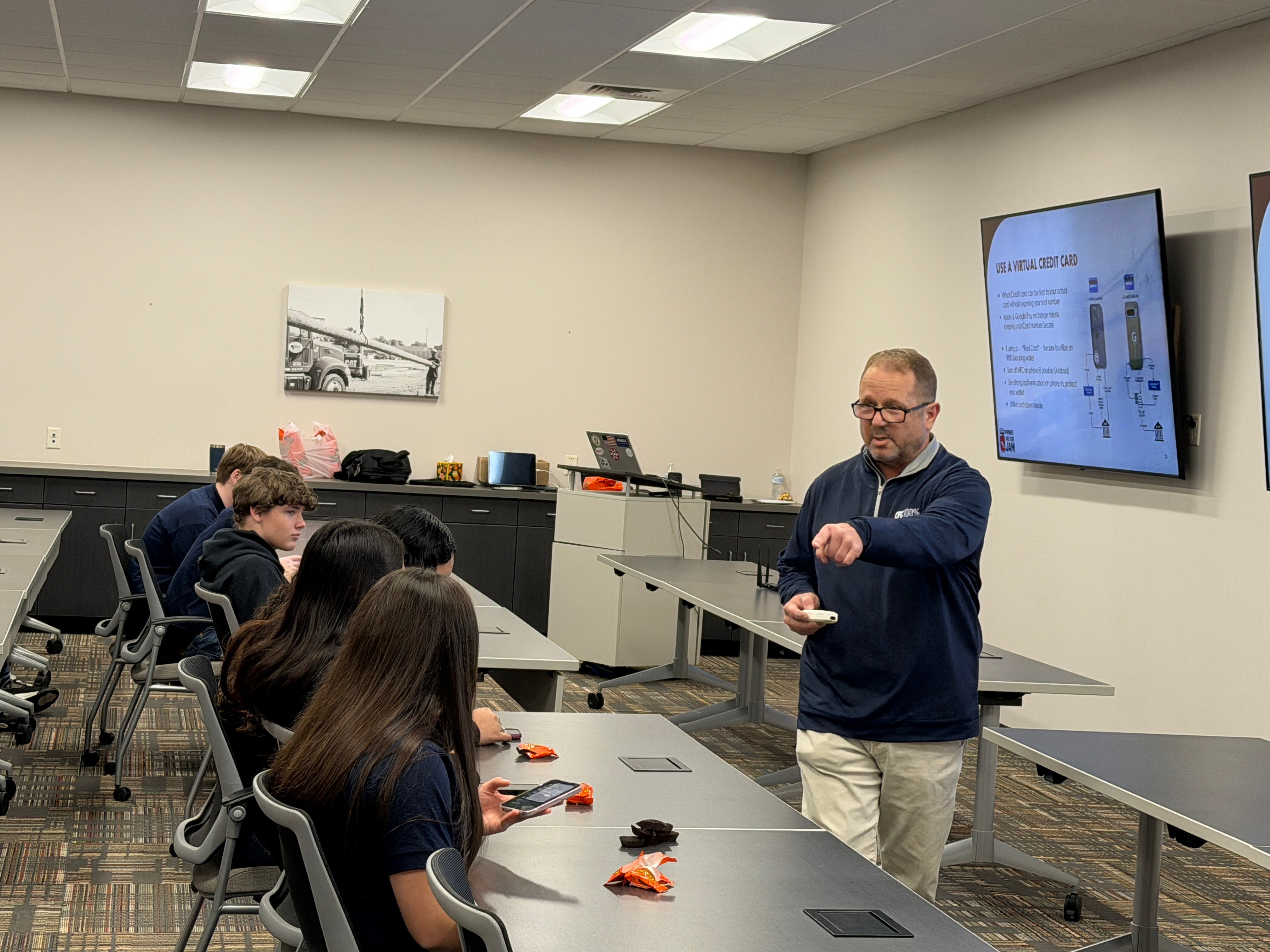
When you think about what it takes to keep the lights on, power lines, poles, substations and lineworkers may immediately come to mind. But in an increasingly connected world, protecting the electric system also requires safeguarding something you may never see: the digital infrastructure working behind the scenes.
October is CYBERSECURITY AWARENESS MONTH, a nationwide observance highlighting the importance of protecting the technology, systems, and information we rely on every day.
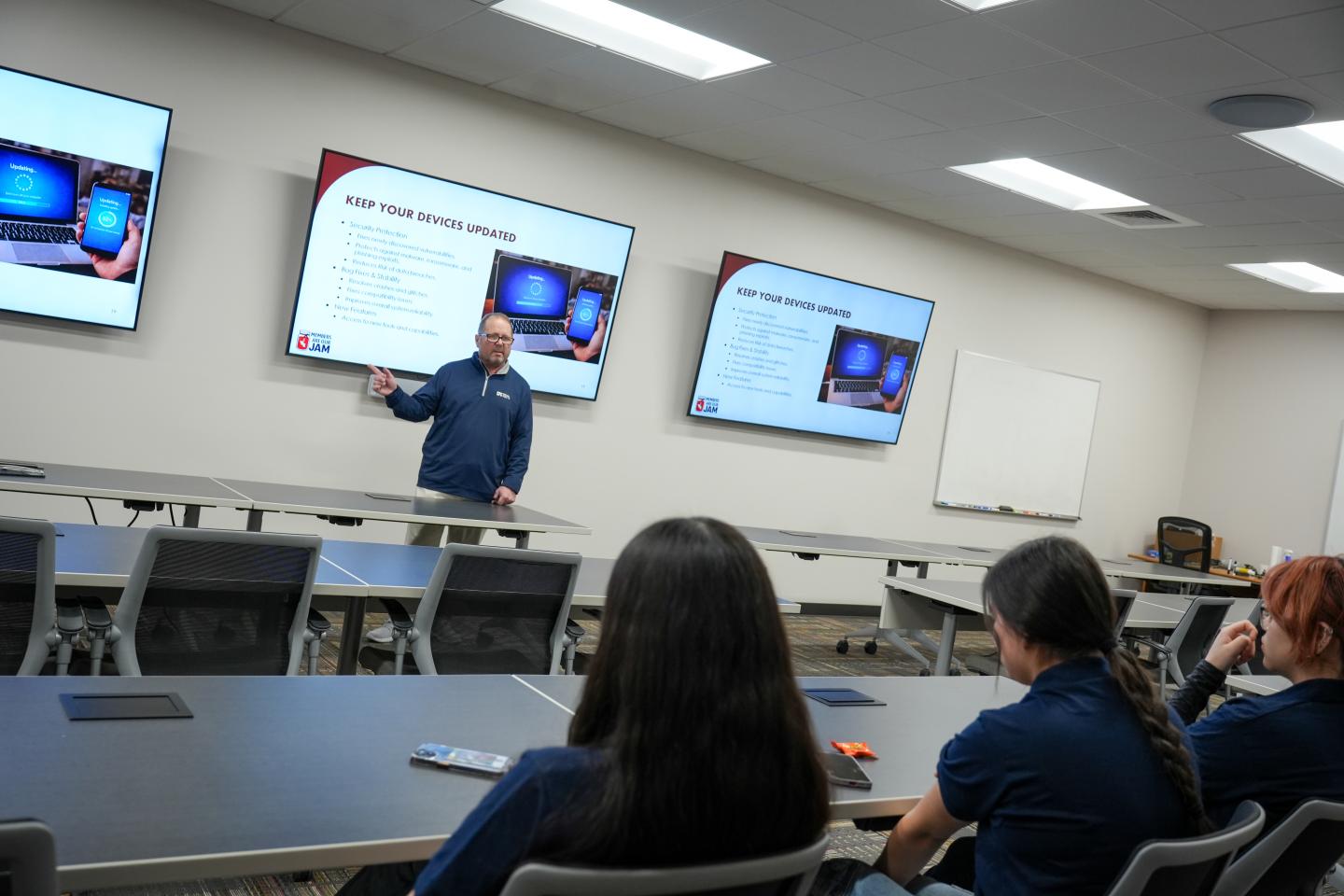
To recognize the month — and take a closer look at what cybersecurity means for an electric cooperative — we recently sat down with JEVIN KASSELMAN, WEC’s DIRECTOR OF INFORMATION TECHNOLOGY, to discuss today’s evolving cyberthreats, how WEC works to protect member information and critical infrastructure, and what members can do to protect themselves.
For an electric cooperative, Kasselman said cybersecurity goes well beyond protecting computers and passwords. Ultimately, it is another important piece of providing members with reliable electric service.
“If you didn’t have power, just think of some of the chaos that might ensue,” Kasselman said. “You can’t do simple tasks anymore without having electricity. It’s a very important part of our daily lives.”
WEC is also connected to a much larger electric grid, meaning the importance of cybersecurity extends far beyond any one cooperative. In fact, the federal government identifies energy as one of the nation’s 16 critical infrastructure sectors — and the Cybersecurity and Infrastructure Security Agency (CISA) notes that virtually every other critical infrastructure system depends on electricity to operate.
PREPARING FOR AN EVOLVING THREAT
During Kasselman’s more than 28 years at WEC, technology — and the threats surrounding it — have changed dramatically. Cyberthreats that once might have been motivated by curiosity have evolved into sophisticated attacks that can target critical systems, hold data for ransom, and even use artificial intelligence (AI) to impersonate trusted individuals.
Those threats are far from hypothetical. In 2025 alone, the FBI received more than 3,600 complaints involving RANSOMWARE, with reported losses exceeding $32 million, according to the Internet Crime Complaint Center.
Among Kasselman’s biggest concerns is ransomware, which can encrypt an organization’s files and systems, making them unusable until they are restored or a ransom is paid.
His approach to that risk is straightforward: “It’s not a matter of if; it’s a matter of when.”
That means prevention is only part of WEC’s strategy. Preparation and recovery are important, too.
“You need to be prepared for it and take any safeguards you can to try to stop it,” Kasselman said. “But also make sure you have good backups where you can restore your system and get going and back online.”
To that end, WEC maintains two separate DATA CENTERS in geographically dispersed locations, with backups stored at each. Data is also backed up in the cloud, providing an offsite backup if a physical event, such as severe weather or fire, affects one of the cooperative’s facilities.
WEC also uses multiple layers of cybersecurity protection. Rather than simply looking for known computer viruses, some of today’s security tools monitor how devices behave and can detect abnormal activity.
When potentially malicious activity is detected, the affected machine can be isolated and WEC’s IT team alerted. Other protections help prevent access to potentially dangerous websites and allow WEC to carefully evaluate emerging technologies, including AI tools, before they are used within its systems.
PROTECTING PHYSICAL INFRASTRUCTURE
Security doesn’t stop at the computer screen.
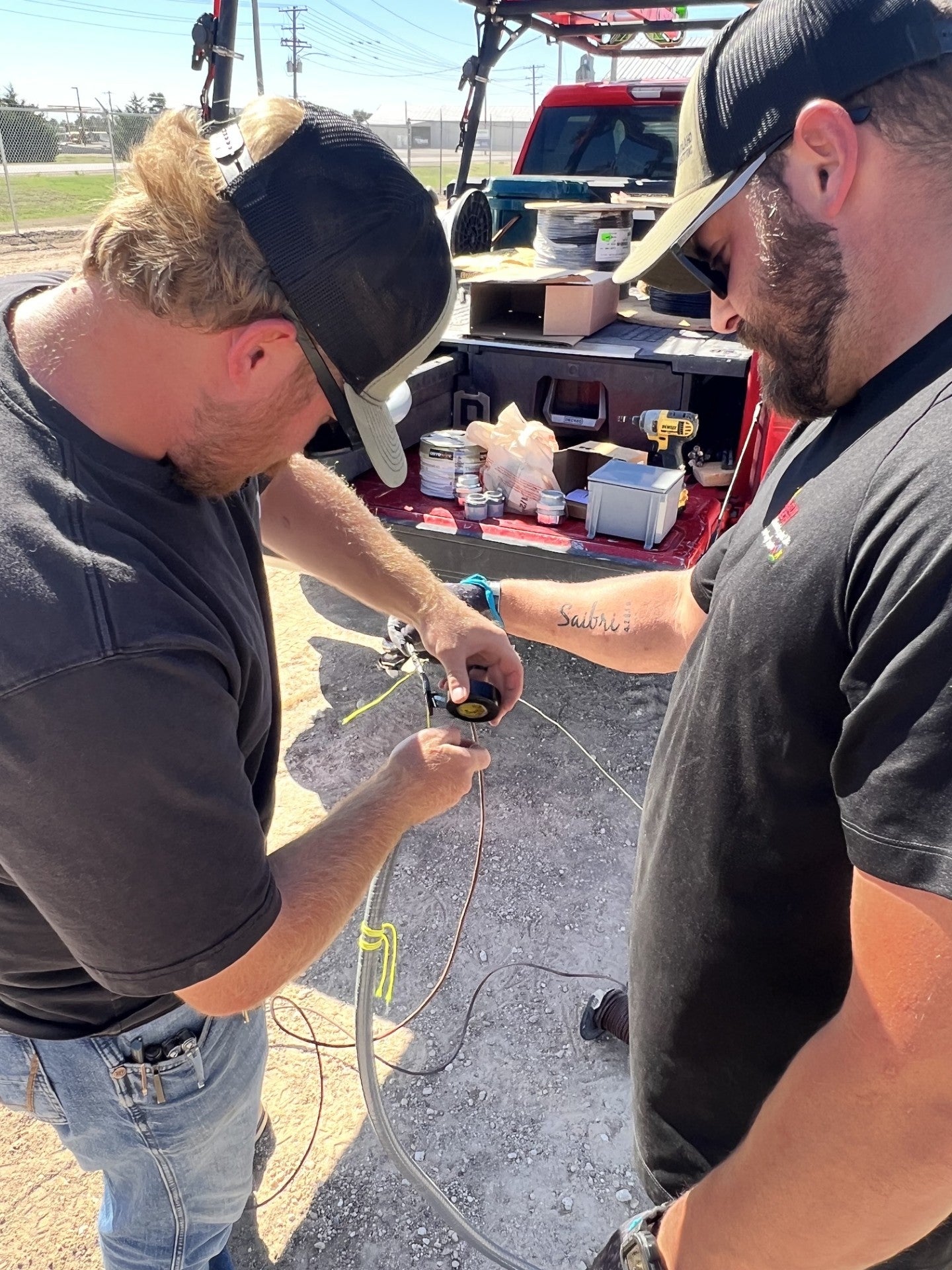
Many of WEC’s substations are located in remote areas across southwest and central Kansas, making continuous monitoring another important consideration.
To help protect these critical assets, WEC has been deploying camera systems that provide around-the-clock monitoring and is working toward using DATA ANALYTICS to better distinguish people and vehicles from routine movement, alerting personnel when something may require attention.
Damage to a substation can potentially cause an outage for the members it serves. While WEC’s system is designed so power can be rerouted through other areas in many situations, protecting these critical — and costly — assets remains an important part of maintaining reliable service.
CYBERSECURITY STARTS WITH ALL OF US
Members also have an important role to play in protecting their own information, and Kasselman’s top piece of advice is simple: Don’t reuse passwords.
“Don’t have one password that gives you access to everything,” he said. “That is one of the worst things you can do.”
Instead, Kasselman recommends using password managers, enabling multi-factor authentication whenever possible, and choosing long, memorable passphrases rather than short passwords.
“The one thing I can stress the most is, the longer the password, the better,” he added.
Much of the work involved in cybersecurity is invisible — and ideally, members never have a reason to notice it. But like every job performed throughout the cooperative, Kasselman said the work of WEC’s IT team ultimately supports the same mission.
“Everybody here at Wheatland plays an important role,” he said. “For that one end goal: TO DELIVER ENERGY FOR LIFE.”
WANT TO HEAR MORE?
Listen to our podcast for a deeper dive into cybersecurity at Wheatland.
Hear directly from JEVIN KASSELMAN, director of information technology, as he sits down with host Shajia Donecker, multimedia specialist, to discuss today’s cybersecurity threats, how WEC protects its systems and members, and what you can do to stay cyber safe.
Visit Buzzsprout online to listen, or find “WHO’S ON THE LINE?” on Apple or Spotify Podcasts!