Call Us: (800) 762-0436
Prepare for Extreme Cold Weather

A pattern of extreme arctic weather is forecast to move south into the central U.S. throughout the weekend and into early next week. Minimum temperatures may be similar to those observed during Winter Storm Uri (Feb. 13-18, 2021).
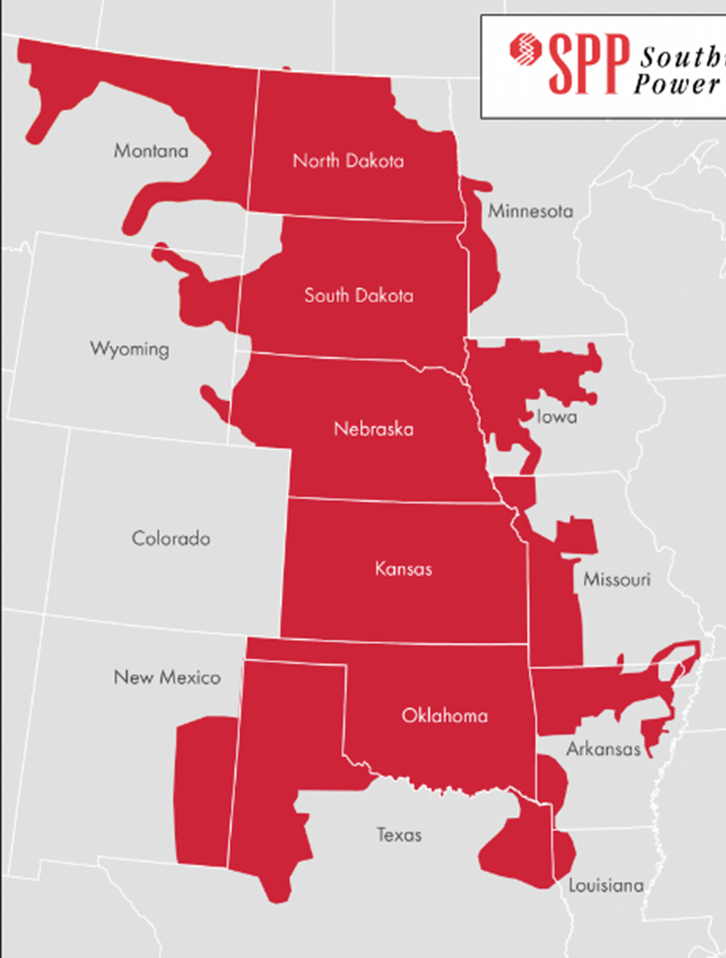
While the Southwest Power Pool (SPP) is projecting sufficient capacity to meet anticipated energy demand during this extreme weather pattern, there is still uncertainty with the storm system. SPP and Sunflower Electric Power Corporation, our wholesale power supplier, continue to monitor the situation, but members should be cognizant that extreme weather events can create energy deficiencies. This could lead SPP to declare formal alerts when the demand for electricity exceeds the supply of power within the SPP footprint.
What Are Energy Emergency Alerts?
SPP is a regional transmission organization and the regulatory authority mandated by the Federal Energy Regulatory Commission to oversee the regional electric grid and coordinate electric reliability. SPP works with generation and transmission utilities, including Sunflower, to ensure reliable supplies of power, adequate transmission infrastructure and competitive wholesale electricity prices across 14 states.
A responsibility of SPP is to declare and communicate the existence of any emergencies related to capacity and/or energy emergencies within the SPP area as necessary to manage, alleviate or end an energy emergency. This is done by issuing formal alerts based on SPP Energy Emergency Alert Level system.
- Energy Emergency Alert Level 1 (EEA1) – An EEA1 is declared when all available power generation resources are committed to meet firm load obligations and SPP is at risk of not meeting required operating reserves. Typically, an EE1 does not elicit an appeal for energy conservation, but the weather forecast sometimes leads SPP to preemptively ask electric utilities to issue appeals for energy conservation with the goal of averting planned electric interruptions.
- Energy Emergency Alert Level 2 (EEA2) - An EEA2 signals SPP is no longer capable of providing its expected energy requirements and is now energy deficient. EEA2 requires a public appeal for energy conservation efforts.
- Energy Emergency Alert Level 3 (EEA3) - An EEA3 is triggered if SPP must utilize operating reserves below the required minimum and controlled power interruptions (rolling blackouts) are implemented. Controlled service interruptions are a last resort and a step that is only taken when necessary to safeguard the reliability of the regional grid (during 2021 Winter Storm Uri, SPP issued an EEA3 for the first time in its 80-year history).
- Controlled power interruptions are not coordinated at the distribution level; therefore, we cannot predict exactly where and when each controlled interruption will happen. Members should prepare for and expect each interruption to last anywhere from 30 – 90 minutes.
What prompts SPP to issue an energy emergency?
The declaration of an energy emergency alert is due to multiple factors typically resulting from widespread, long-lasting, and extreme temperatures and weather. These factors include, but are not limited to, high electricity use across the entire SPP system, inadequate supply and high prices of natural gas, and low supply of wind generation and wind-forecast uncertainty. While Sunflower has multiple power generation facilities in western Kansas, they may have trouble getting natural gas because it is either not available, the natural gas company curtails supply, or natural gas supply lines freeze up.
When conditions exist that could lead to an energy deficiency, SPP coordinates with its load-serving utilities to issue a public appeal for energy conservation. The goal of this action is to reduce the overall system load and keep it below region-wide total generating capacity.
When a region becomes energy deficient, SPP declares an EEA3 and directs utilities to curtail energy use to bring load back within generating capacity limits. Should this occur, utilities have seconds to responsibly implement temporary controlled service interruptions (rolling blackouts) to prevent worsening system conditions that could impact a broader area or have longer-lasting effects. Electricity interruptions are implemented using predetermined load blocks that equate to the amount of load needed to be shed in order to protect the system. Predetermined load blocks avoid interrupting load at critical infrastructure (e.g., hospitals) and are rotated to limit the frequency and duration of electricity interruptions.
Will this affect electric bills?
An extreme weather event requiring SPP to issue energy emergency alerts and direct controlled power interruptions has the potential to affect the wholesale cost of power, but each event is unique with too many variables impacting the cost of fuel and power generation to preemptively or accurately predict how it will affect consumer electric bills.
How can I help conserve energy during and EEA situation?
There are a multitude of simple, effective ways consumers can meaningfully conserve energy at home during cold temperatures:
Lower the thermostat to between 60-68° and rock your winter wardrobe indoors
Postpone use of major electric appliances such as stoves, dishwashers, and clothes dryers
Unplug non-essential electric appliances and equipment (radios, coffee pots, chargers, etc.)
Turn off any power strips not in use
Plan meals requiring minimal baking or cooking on an electric stove
Turn off computers and monitors not in use (sleep mode is good, but off mode is better)
Use a laptop computer, as it uses much less electricity than a desktop computer
Turn off lights wherever possible (don’t forget outside and decorative lighting)
Cover windows and doors with insulated blinds, shades, or even blankets to retain heat
Avoid using exhaust fans
Keep the fireplace damper closed when not in use
- Turn down the temperature on water heaters